What sets Ethiopian coffee apart? Let’s delve into the different flavors that it has to offer. Introduction:
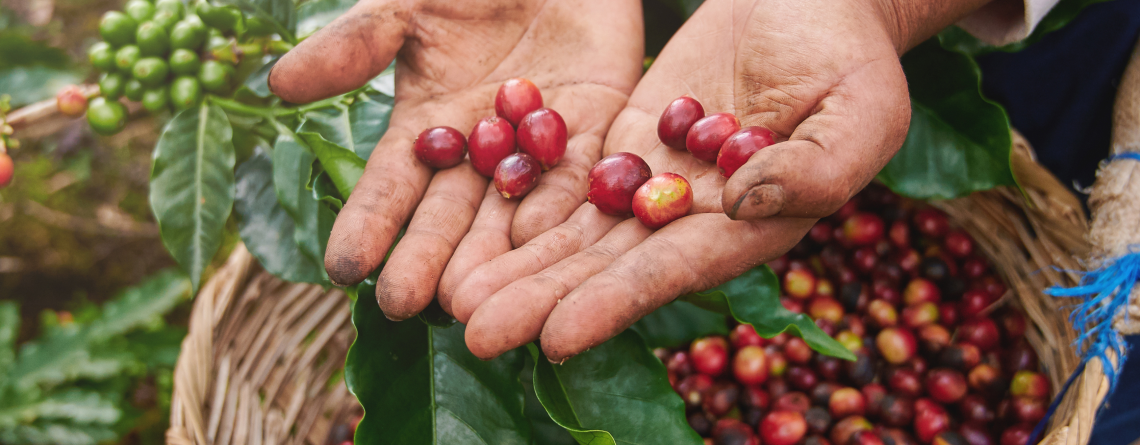
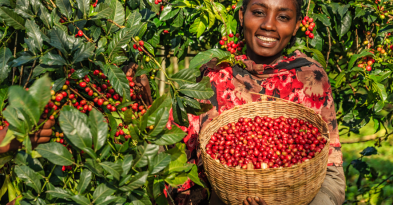
Ethiopia is often called the birthplace of coffee and for reasons that are really good: this country’s rich soil, ideal climate, and different landscapes give rise perfectly to a number of the finest coffees in the world. At Abnoel Coffee, we’re proud to bring you the unique flavors that only Ethiopian beans can give. But what exactly is so special about this Ethiopian coffee? Well, let’s look into the characters it possesses which make it peculiar in nature.
Diversity in the Growing Regions of Ethiopia:
Ethiopia coffee is equally diverse as its people. The country is further divided into a number of regions, each holding its flavour profile. Here are a few of the most prominent:
Yirgacheffe: Yirgacheffe is known to be bright and florally composed; hence, the brightest. Intricate hints of citrus, jasmine, and bergamot marks are common among this coffee. With its elevation and soil combining into a truly complex flavor profile, it makes it one of the favorites.
Sidama: The balance in body is carried by a mix of fruit and florals. Most beans from Sidamo have a wine-like sweetness with berry and citrus undertones in their flavor, a combination that attracts many consumers to both the hot and cold brew coffee.
Harar: This eastern Ethiopian coffee is widely recognized for its fruity, bold flavor and is exotically aromatic. With fruity or blueberry-like aromas, the cup combines full-bodied, wine-like with subtle overtones of spice.
Terroir:
The important concept here is that of “terroir”, which describes the combined environmental conditions-soil, climate, and altitude-which have an impact on the flavor profile of the coffee. With its varied landscapes, each region in Ethiopia constitutes a microclimate perfect for growing coffees with different flavor characteristics. The high altitude, rich volcanic soil, and rains at exactly the right time all combine to give complex, aromatic, and flavorful coffee.
Heirloom Varieties:
Ethiopia is home to hundreds of indigenous varieties of coffee, most of which are still being discovered. These heirloom varieties lend to the genetic diversity and a variety of flavor profiles that Ethiopian coffee possesses. Other countries might have a few select cultivars from commercial coffee farms that dominate the products, while Ethiopian coffee thrives naturally in its environment, hence resulting in a wide range of flavors unique to each region.
Traditional Ethiopian Coffee Ceremony:
In Ethiopia, coffee is not just something to drink but a common tradition of culture that combines people in the society. The traditional Ethiopian coffee ceremony includes roasting, pounding, and boiling the beans in front of the guests. Such a ceremony not only reveals the significance of coffee in the life of Ethiopians but also it gives more enjoyable flavor because of fresh roast and brew.
Processing Methods:
Ethiopian coffee is processed mainly through the method of natural processing, which is dry, or washed processing, which is wet. The natural method involves drying the coffee cherries in the sun; this allows the fruit to impart flavors into the beans. This generally makes the flavor profile fruity, berry-like, and so on. On the other hand, washed processing involves the removal of the fruit pulp prior to drying, which yields a clean and brighter acidity with less fruit flavor. Both styles are unique in the flavors of Ethiopian coffee and a real treat with every cup.

Leave a Reply